What to Do After a Motorcycle Accident in San Diego: A Rider's Step-by-Step
A motorcycle crash on a San Diego freeway happens in a blink, but the hours right after decide what your claim is worth. Riders on I-5, I-8, I-15, I-805, CA-163, and the Coronado Bridge share the road with heavy commuter and tourist traffic moving at 65 to 80 miles per hour, and California's pure comparative negligence rule means the other driver's insurer will look for any reason to shift blame onto you. What you do in the first hour protects both your body and your record.
Get Yourself Out of Live Lanes First
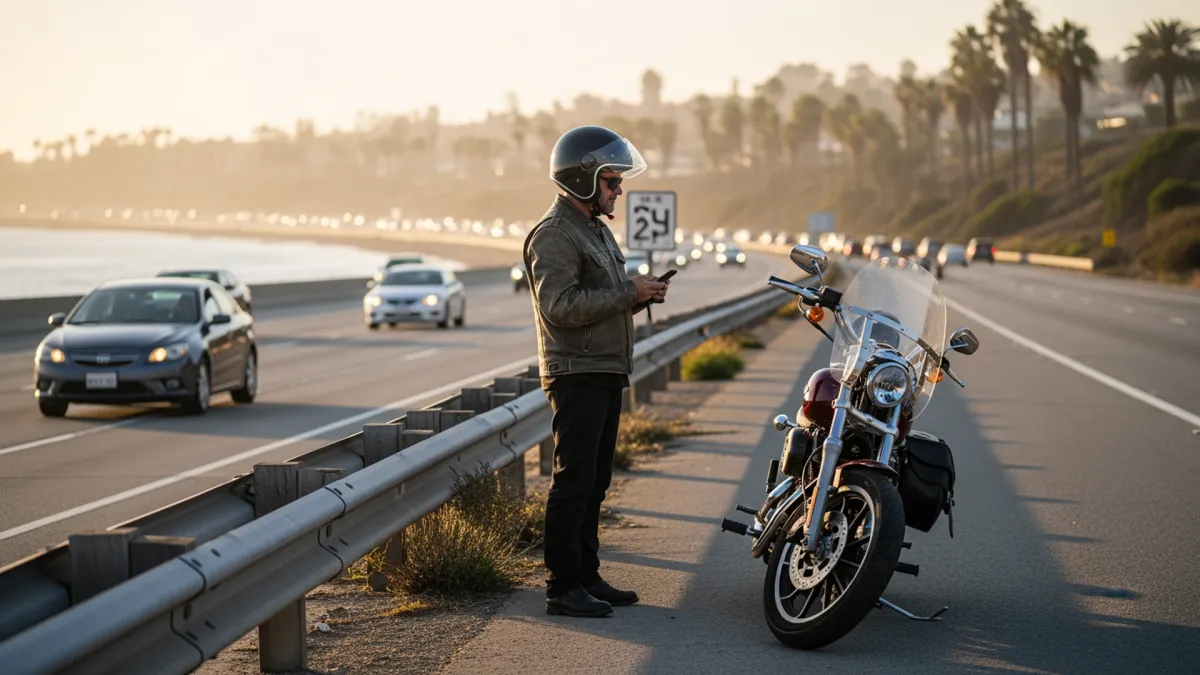
Your health comes before anything else. On roads like I-5 through the coast or CA-163 dropping into downtown, a downed rider in a live lane is in danger from the next car that does not see you. If you can move safely, get yourself and your bike to the shoulder. But do not force a heavy bike upright if you feel a spinal, neck, or leg injury. Let the machine sit and wait for help. Adrenaline and marine-layer glare both hide how hurt you really are.
Build the Record the Insurer Cannot Argue With
California reduces your recovery by your share of fault but never bars it, so a mostly at fault rider can still recover something. That is more rider-friendly than the 51 percent-bar states. But it also means the other driver's insurer fights hard to move the fault number onto you. The scene is where you win or lose that fight, so document it while it is fresh.
- ✓ Call 911 and get a report. A San Diego Police or CHP report on a freeway crash is the backbone of your claim. Ask for the report number before officers leave.
- ✓ Photograph everything. Your injuries, the bike, both vehicles, skid marks, debris, lane position, signals, and the wider scene. Time-stamped photos beat memory every time.
- ✓ Get witnesses before they drive off. Tourist and commuter traffic scatters fast. A name and phone number from a neutral witness can settle the fault question later.
- ✓ Note nearby cameras. Caltrans freeway cameras, business security cameras along the coast, and rideshare dashcams may have caught the crash. Footage gets overwritten quickly, so flag it early.
- ✓ See a doctor the same day. Internal and soft-tissue injuries can hide for hours. A gap in treatment is the first thing an adjuster uses to say you were not really hurt.
What Not to Say to the Adjuster
The other driver's insurer may call within a day, friendly and quick to help. That call has one purpose, which is to lock you into words they can use to cut your claim. Do not guess at speeds, do not apologize, do not say you are fine, and never agree to a recorded statement before you have talked to a lawyer. A simple "I was hurt and I am still being treated" is enough. Everything past that can wait.
Then Get a Rider's Lawyer in Your Corner
Freeway speeds and heavy traffic make San Diego motorcycle crashes serious, and serious claims are exactly the ones insurers work hardest to shrink. A local motorcycle attorney pulls the camera footage, locks down witnesses, keeps the fault number honest, and handles the adjuster so you can heal. The sooner that starts, the stronger your case stays.
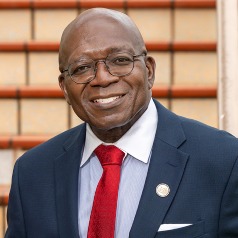
Maxwell Agha and the San Diego motorcycle injury attorneys at Banker's Hill Law Firm represent riders hurt by negligent drivers across Southern California. If you have questions after a crash, their team is here to help.